27 August 2026
What does an IWSC Gold Medal mean for a gin?
A Gold Medal at the International Wine & Spirit Competition means a panel of trade judges scored the gin at least 95 points out of 100 without knowing what was in the glass. The IWSC has run since 1969, and it judges blind: spirits are poured into numbered glasses before the panel ever sees them, so the label and the price play no part.
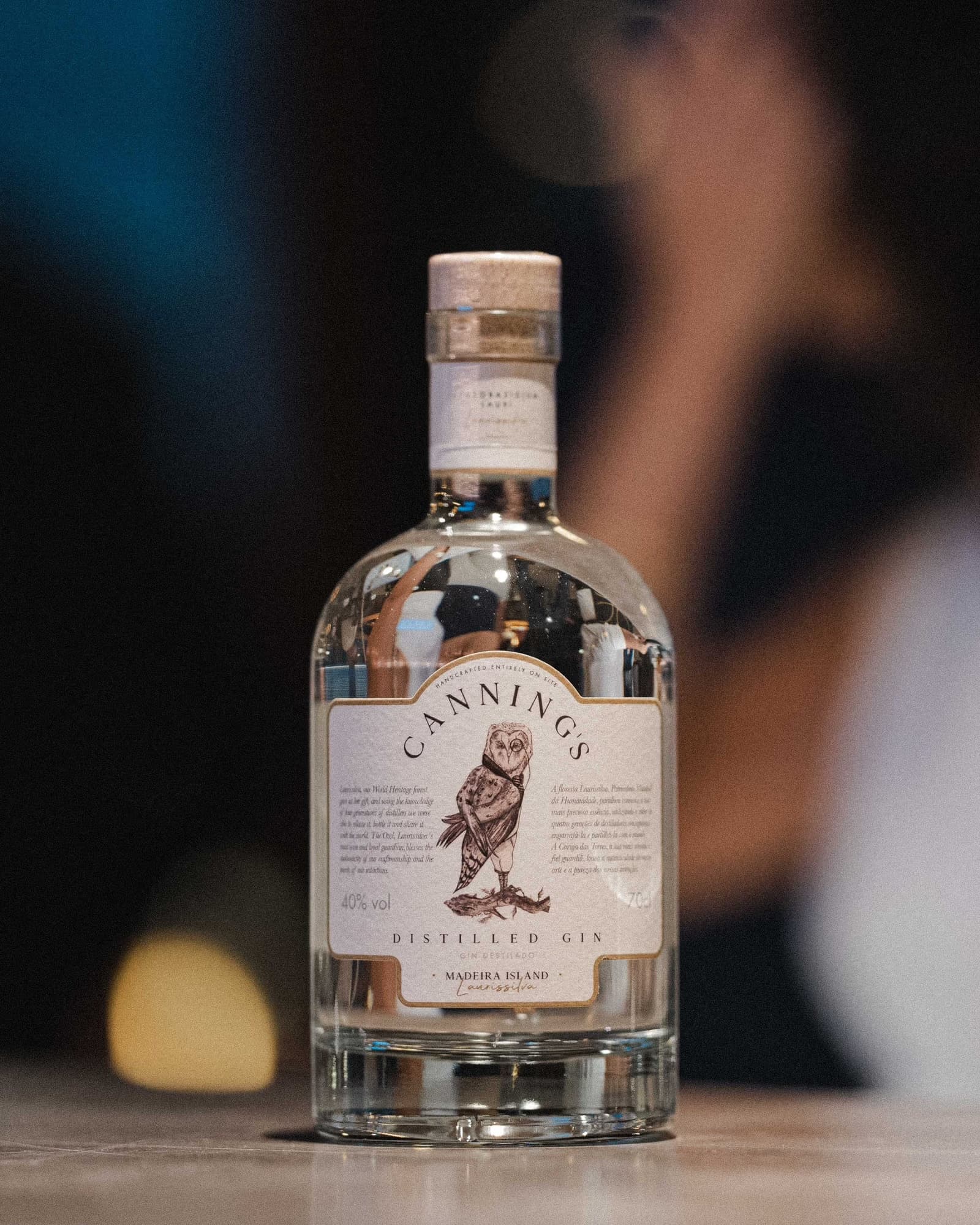
That is the short answer, and it is why the medal carries weight. Canning's Dry Gin, distilled in small batches in Ribeira Brava on the island of Madeira, took an IWSC Gold Medal in 2018, in a blind tasting in London, two years after it was first bottled. This article explains what sits behind a result like that.
How the IWSC judges a gin
Every entry is tasted blind. Samples reach the judging table in pre-poured, numbered glasses, and the panels are drawn from the trade: distillers, buyers, sommeliers, writers. Judges score against the category, not against each other, and entries also go through technical analysis alongside the tasting. The IWSC publishes its judging process, which is part of what separates it from award schemes that are closer to paid listings.
For gin this matters more than for most spirits. Gin is consistently one of the biggest categories the competition sees, so a gold sits at the top of a crowded field rather than a thin one.
The medal bands on the 100-point scale
The IWSC scores out of 100 and publishes where each medal starts. On the current scale, Bronze runs from 85 to 89 points, Silver from 90 to 94, Gold from 95 to 97, and Gold Outstanding from 98 to 100. The bands are narrow at the top: three points separate a gold from the maximum score.
Two things follow from the numbers. A score of 95 leaves little room for any weakness the panel could find. And because the scale is published, a gold from one year means the same as a gold from another.
Why blind tasting is the part that matters
Not every award on a bottle means the same thing. Some schemes judge open, some are closer to paid directory listings, and a shelf of medals can measure a marketing budget as well as a spirit. The signal to look for is simple: blind judging and published score thresholds. The IWSC has both.
Blind tasting also levels the field between producers. A small island distillery and a global brand arrive at the table as two numbered glasses. For a gin made far from the usual gin geography, that is the only kind of competition where the liquid alone can win.
Canning's Gold in 2018, as a worked example
Canning's Dry Gin won its IWSC Gold Medal in 2018, in a blind tasting in London. The gin had been first bottled in 2016, so the medal came early in its life, and it was earned by the liquid rather than the name: juniper first, then Madeira's passion fruit and pitanga over an earthy base, bottled at 40% vol. A Silver at the International Spirits Challenge followed in 2023. Both sit on the awards page.
Portugal's gin shelf is small enough to audit, and only a handful of Portuguese gins hold an IWSC gold. The most awarded Portuguese gins article lists them. The Portuguese gin guide covers the rest of the category: who distils on the mainland, in the Azores and on Madeira.
What the medal tells you when you buy
A gold certifies the liquid, not the lifestyle around it. It tells you that a trade panel, tasting blind, put the gin in the top band of a 100-point scale. It does not tell you the style: a gold citrus-led gin and a gold juniper-led gin are both simply well made.
So read the medal together with the flavour description. If a juniper-forward gin with island fruit sounds like your kind of gin, the 2018 gold is the assurance that it is properly made. The bottle itself is on the shop page, and what makes it a Madeira gin has a page of its own.