18 August 2026
The Laurissilva, and the gin made from it
The Laurissilva is the laurel forest that covers the mountains of Madeira. It is a relict: the largest surviving stretch of a forest type that once blanketed southern Europe, 15 to 40 million years ago, now found only on Madeira, the Azores and the Canaries. UNESCO named it a World Heritage Site in 1999. Canning's Dry Gin is built on botanicals native to it.
That last line is the point of this gin. Canning's is distilled on Madeira, and its botanicals come from the Laurissilva, alongside passion fruit, pitanga and water off the same mountains. It is what a Madeira gin can mean when it is made from a place instead of named after one.
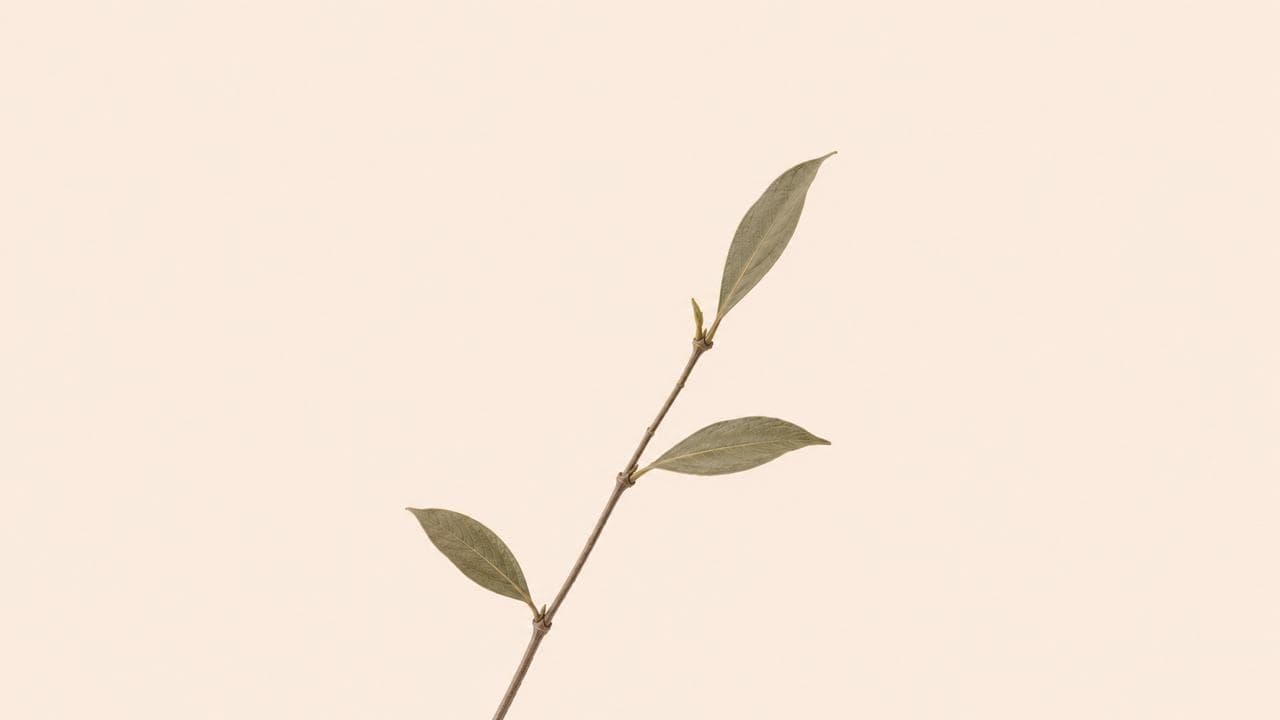
What is the Laurissilva?
The Laurissilva is an ancient laurel forest, and Madeira holds the largest surviving area of it in the world. This kind of forest once covered much of southern Europe; as the climate dried it retreated, and today it survives only on the Atlantic islands of Madeira, the Azores and the Canaries. Madeira's is reckoned to be around ninety percent primary forest, some of it never cleared.
UNESCO listed it as a World Heritage Site in 1999, roughly 150 square kilometres along the island's north. The name comes from the Lauraceae, the laurel family. It is dense, wet and evergreen, fed by cloud that snags on the peaks, and walking into it the air turns cooler and greener. This is the Madeira that was there before the vineyards and the roads.
The trees that grow there
The forest is named for its laurels, and several of its trees are protected as natural monuments. The Til (Ocotea foetens), the Vinhático (Persea indica), the Barbusano (Apollonias barbujana) and the laurel itself (Laurus novocanariensis) are the classic ones, some of them centuries old. The canopy also shelters creatures found nowhere else, among them the Madeiran long-toed pigeon.
None of this is bottled tree by tree. What matters for a gin is that the Laurissilva is a living reservoir of aromatic plants growing in a place with no real parallel. That is the source Canning's draws on.
How the forest gets into the gin
Canning's Dry Gin is distilled in small batches in Ribeira Brava, on Madeira's south coast, and its botanicals come from the Laurissilva. The recipe sets plants and essences native to the forest alongside mountain juniper, passion fruit and pitanga, with pure water off the island's mountains. It is bottled at 40%.
The forest is not a line on the label here. It is the source. A gin can borrow the idea of a place by buying botanicals in from anywhere; this one is made where those botanicals grow. It took a Gold Medal at the International Wine & Spirit Competition in 2018, judged blind in London.
What it tastes like
Juniper leads. Under it the island fruit comes through: passion fruit bright and tropical, pitanga sharper and red, over a base that reads faintly earthy and green before a long, soft finish. The earthy note is the part people tie back to the forest.
Pour one part Canning's to three of a good tonic over plenty of ice, with a strip of lime. The greener, earthier notes hold up against a citrus tonic, and the fruit keeps the glass from turning austere. The same profile runs through the cocktail recipes.
The owl on the label
A barn owl watches from the front of every bottle. She lives at the edge of the Laurissilva, and on Madeira she is treated as a guardian of the forest. Putting her on the label is a nod to where the gin comes from, and to keeping the place she lives in intact.
That is the honest version of a Madeira gin. Not a flavour borrowed from a good-looking island, but a spirit made inside one of the oldest forests in Europe. The forest is the reason Canning's tastes the way it does.